

The Rise of Personalized Wellness

Updated: May 13
Moving Beyond One-Size-Fits-All Health Advice
For years, wellness advice has sounded beautifully simple: drink more water, get eight hours of sleep, eat more greens, move your body, manage stress. And while none of that is wrong, it’s incomplete.
Because your body is not generic.
Your stress response is different.
Your digestion is different.
Your sleep rhythms, hormone patterns, recovery capacity, and energy fluctuations are uniquely yours.
Yet most wellness plans are written for “everyone.”
That’s where personalization and data-driven wellness come in — not as a trend, but as a shift. A move away from copying protocols and toward understanding your own patterns.

This post may contain affiliate links, including Amazon Associates links, which means I may earn a small commission at no extra cost to you. Some content may be AI-assisted and is always thoughtfully reviewed and edited to ensure accuracy, clarity, and quality.
What Data-Driven Wellness Actually Means
Data-driven wellness is simply the practice of using feedback — measurable or observable — to guide your health decisions. That feedback might come from wearable technology, but it can just as easily come from a notebook and honest reflection.
Instead of asking, “What’s the best diet?” you begin asking, “What keeps my energy stable?”
Instead of chasing the perfect morning routine, you ask, “When does my body feel most focused?”
It’s less about collecting numbers and more about noticing patterns.
For some, data may include heart rate variability, sleep cycles, glucose response, or recovery scores. For others, it may look like tracking mood after certain meals, noticing afternoon brain fog, or identifying the days when stress feels heavier.
Data is simply information.
Awareness is what makes it powerful.
Why Personalization Is the Missing Piece
We are surrounded by wellness advice — and much of it contradicts itself. High protein. Plant-based. Fasted workouts. No fasted workouts. Cold plunges. Gentle yoga only. Supplements for everything.
Without personalization, wellness becomes noise.
When you shift toward individualized awareness, something changes. You stop chasing what works for someone else and begin observing what works for you. Two people can eat the same meal — one feels energized, the other sluggish. One thrives on early workouts; another crashes for the rest of the day.
The difference isn’t willpower.
It’s physiology.
Personalized wellness honors biological individuality. It recognizes that stress tolerance, metabolic flexibility, sleep needs, and emotional capacity vary from person to person — and even season to season.
When you begin working with your patterns instead of against them, wellness feels calmer. More sustainable. More aligned.
Your Nervous System Is Data, Too
Not all data lives on a screen. Your nervous system is constantly providing feedback.
Low energy. Irritability. Cravings. Tight shoulders. Racing thoughts at night. These are not character flaws — they are signals. They are your body communicating capacity.
If you’ve been exploring nervous system regulation or stress recovery, this is where personalization becomes especially important. Some bodies recover quickly. Others need longer transitions between stimulation and rest. Some feel restored after social interaction; others need quiet time to recalibrate.
Tracking how you feel after meetings, workouts, busy weekends, or poor sleep can reveal patterns more insightful than any generic advice.
Small cues of safety build real resilience.
When you notice what drains you — and what restores you — you gain agency. That awareness alone can change your decisions.

Technology as a Support, Not a Scorecard
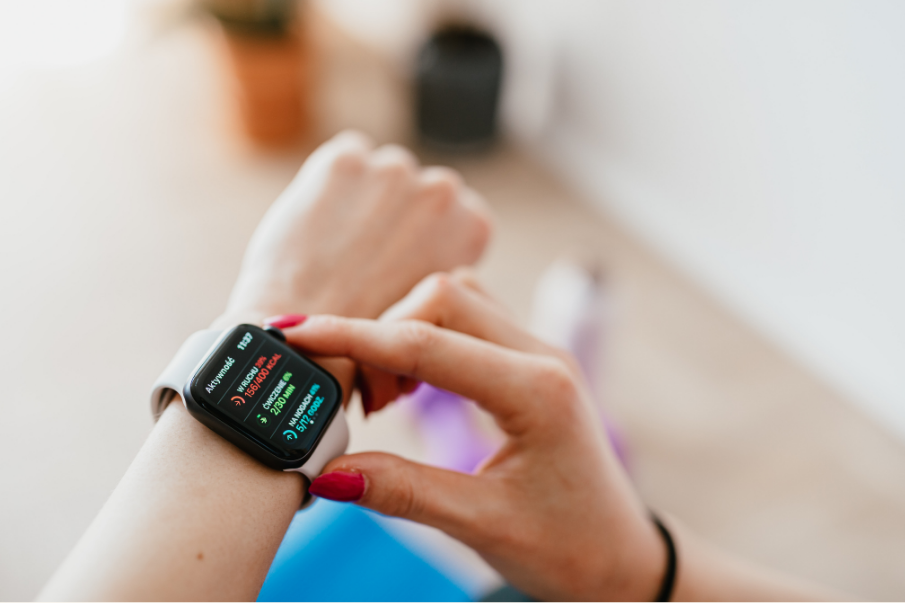
Wearables and health apps have become increasingly sophisticated. They can measure heart rate variability, sleep stages, movement, glucose spikes, and even stress patterns. Used wisely, they offer useful mirrors.
But numbers are not the goal. The goal is understanding.
If a sleep score creates anxiety, something is off. If tracking calories disconnects you from hunger cues, pause. Data should support intuition, not override it.
Ask better questions instead of chasing perfect metrics:
What was different yesterday?
Did I feel rested before checking the app?
What pattern is emerging this week?
Self-trust must remain stronger than any device.
The Real Shift: From Optimization to Alignment
Many wellness conversations revolve around optimization — living longer, performing better, hacking your biology. While longevity and performance matter, personalization offers something deeper: alignment.
Alignment means understanding your energy rhythms and planning around them. It means honoring recovery as much as productivity. It means adjusting intensity during stressful seasons rather than pushing harder.
When you understand your stress capacity, recovery needs, and nutritional responses, you stop forcing routines that don’t fit your life.
You pause.
You observe.
You adjust.
Consistency grows from there.
This approach isn’t rigid. It evolves as you do. And over time, you build something far more valuable than a perfect routine — you build self-awareness.

How to Begin Personalizing Your Wellness
You don’t need advanced technology to start. Begin with gentle observation.
For the next seven days, track:
Energy levels (morning, afternoon, evening)
Sleep time and wake time
Mood before and after meals
Most stressful part of your day
One thing that genuinely restored you
At the end of the week, review your notes. Patterns will begin to surface.
That is your data.
From there, make small adjustments — earlier bedtime, lighter dinner, fewer late-night screens, gentler workouts during high-stress weeks. Let the changes be subtle and sustainable.
Personalization is not about perfection. It’s about paying attention.
Never Miss a Mindful Moment.
Weekly inspiration, practical wellness tips, and exclusive freebies—straight to your inbox. Subscribe Today →
Common Questions About Personalized Wellness
1. Do I need expensive devices to practice data-driven wellness?
No. Wearables can offer insights, but simple journaling and reflection are often enough to identify meaningful patterns. Awareness is the foundation; tools are optional enhancements.
2. Is personalized wellness the same as biohacking?
Not exactly. Biohacking often emphasizes performance optimization. Personalized wellness focuses more on understanding your baseline patterns and creating habits that support long-term balance and sustainability.
3. How do I know if I’m over-tracking?
If data creates anxiety, rigidity, or constant self-judgment, scale back. Tracking should increase clarity and self-trust — not stress. The most important metric is how you feel in your body over time.


Comments